Fashion Photography That Sells the Look, Not Just the Garment
Fashion imagery has to do more than document a product — it has to sell a styling idea, a mood, a season. Fluxx.work generates on-model and lookbook-style fashion photography from your existing flat or ghost-mannequin garment shots, with fabric drape, fit, and color held exactly to the real product.
Last updated:
Real output from Fluxx.work
Generated from a single uploaded product photo — Fashion & apparel
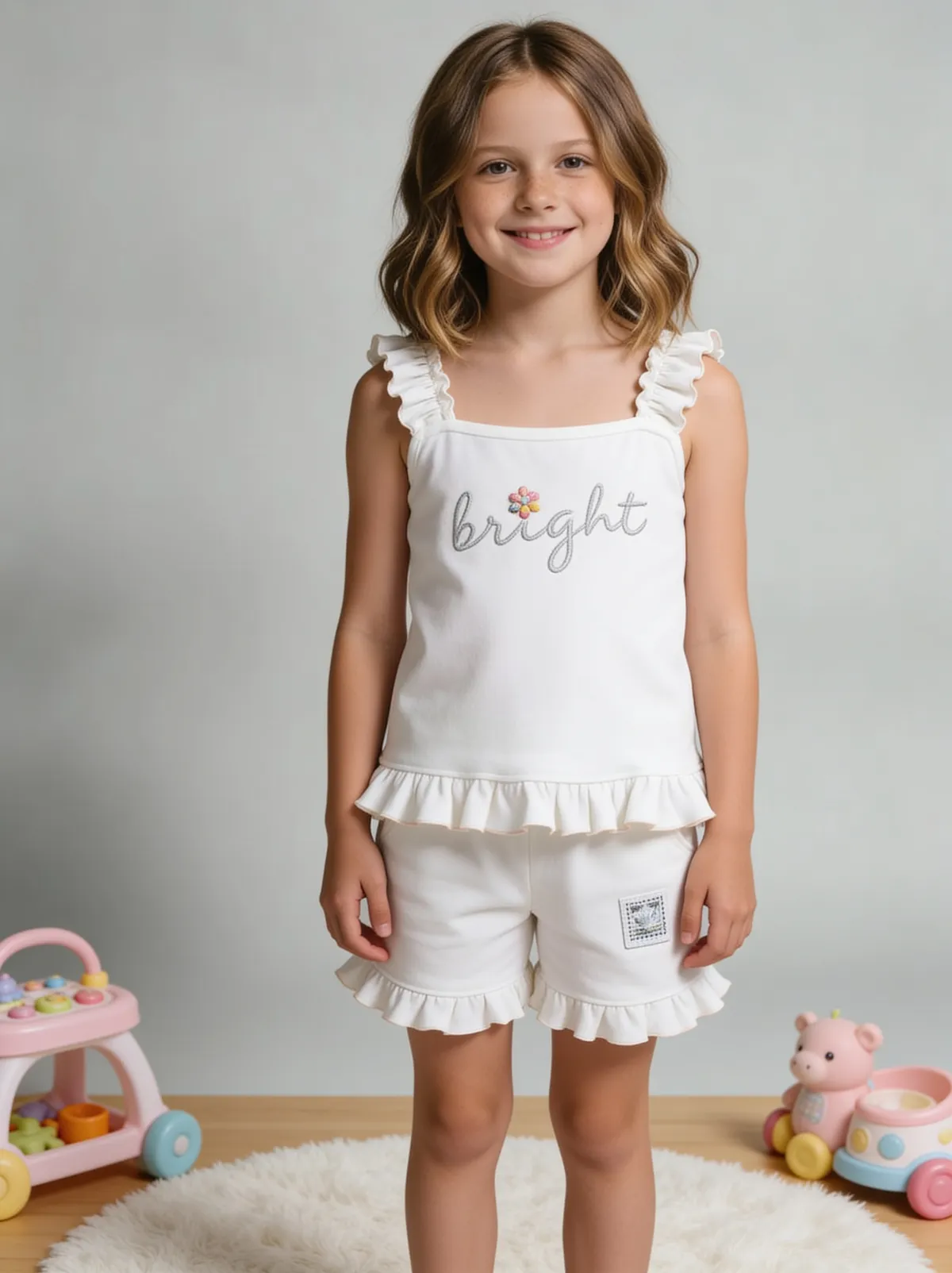
See more examples in the Fluxx.work gallery
What makes fashion photography different from basic product shots
A plain catalog photo shows a garment; fashion photography shows how it's worn — the drape across the shoulders, how a fabric catches light in motion, the styling context (layered, tucked, accessorized) that signals a season or trend. This means the AI has to get fit and drape right on a body, not just render color and shape accurately on a flat surface, which is a materially harder problem than standard product photography.
Fabric behavior has to be believable
Silk drapes and pools differently than structured denim or ribbed knit. Fluxx.work references the garment's actual material cues from the source photo — how it folds, how matte or reflective the surface is — instead of applying a generic 'clothing' render to every fabric type.
Consistency across a lookbook
A fashion drop typically needs multiple garments styled together and shot in a consistent mood across 10-30 images. Getting one striking image is easy; getting a full lookbook that reads as one coherent shoot is where most AI tools fall apart.
Where this fits in a fashion brand's workflow
New-drop lookbooks that need a cohesive editorial feel across the full collection; seasonal re-shoots of core styles without booking a new set; social and ad creative that needs trend-relevant styling (layering, color-blocking, seasonal context) beyond a plain white-background product shot.
On-model without a live model shoot
Generate on-model imagery directly from a flat-lay or ghost-mannequin source photo, with model pose, framing, and styling context chosen per image while the garment's exact color, print, and construction stay locked to the real product.
Benefits
On-model fashion imagery without booking a live shoot
Fabric drape and texture rendered per material, not generically
Consistent mood and styling across a full lookbook
Garment color, print, and construction locked to the real product
How It Works
1
Upload a flat-lay or ghost-mannequin photo of the garment.
2
Choose model pose, styling, and editorial mood.
3
Fluxx.work generates on-model imagery with locked color and print accuracy.
4
Build a full lookbook by repeating the same mood preset across the collection.
Best Practices
- check_circleSteam or flat-iron the garment before photographing the source to give the AI clean fabric texture to reference
- check_circleChoose one lighting and location mood per collection drop for a cohesive lookbook
- check_circlePhotograph prints and patterns flat and well-lit so scale and color transfer accurately
- check_circleReview drape accuracy closely on structured fabrics like denim or tailoring before finalizing a set
Common Mistakes
- cancelUsing a poorly lit or wrinkled flat-lay as the source and expecting clean fabric rendering
- cancelMixing editorial styles (studio vs. outdoor) within one drop, breaking visual cohesion
- cancelIgnoring how a print or pattern should distort across folds and creases
- cancelTreating fashion photography like basic product photography and skipping styling direction
Trusted by 1,200+ businesses worldwide
“We used to book a studio every quarter. Now one product photo gives us the hero, lifestyle and detail shots in a single pass, and the catalogue finally looks like one brand instead of six separate shoots.”
Marcus T.
Founder, Home Goods Brand · Austin, TX
“The garment is genuinely the same in every frame — colour, print and trims all hold. That was the part I did not believe until we ran our own SKUs through it.”
Dana R.
Head of Ecommerce, Activewear · Brooklyn, NY
“Glass and reflections are where most tools fall apart. Ours come out clean, so we can photograph a new scent the week it launches instead of waiting on a studio slot.”
Layla A.
Founder, Fragrance Brand · Dubai, UAE
“Metal finish and stone detail survive a zoom now, which is what our listings actually needed. We stopped reshooting pieces that came back soft.”
Omar S.
Marketing Director, Jewellery · Abu Dhabi, UAE
“The textures and lighting are so realistic that customers tell us they can almost feel the product. We reshoot far less than we used to.”
Sneha P.
Founder, Coffee Brand · Coorg, India
“The AI-contextual backgrounds just work. It reads the product and picks the right aesthetic. We've stopped paying for stock photo subscriptions.”
Priya S.
Founder, Skincare Brand · Mumbai, India
Frequently Asked Questions
Can it show how a fabric drapes and moves on a body?
Yes — Fluxx.work reads material cues from the source photo (structure, sheen, weight) and renders fit and drape accordingly, rather than treating all garments the same.
Will prints and patterns stay accurate on a model?
Yes, pattern scale, placement, and color are locked to the source garment, including how a print should distort naturally across folds.
Can I generate a full lookbook with a consistent mood across images?
Yes — you can apply the same lighting, environment, and styling direction across a full set of garments for a cohesive collection shoot.
Does this work for both studio and outdoor editorial styles?
Yes, both studio-based and location/outdoor editorial contexts are supported as generation presets.
Why Fluxx.work
Fluxx.work treats drape and fabric behavior as first-class inputs, not an afterthought, so the fashion imagery looks styled rather than generically rendered.