Invisible Mannequin for Items That Need to Hold Their Shape
A puffer jacket, a structured tote, a tailored coat — these don't behave like a t-shirt draped flat. They have their own rigidity, padding, or internal structure that has to read as three-dimensional even with no body or form inside them. Fluxx.work generates the invisible-mannequin effect specifically for these structured, volume-holding items, keeping panel shape, seam lines, and fill loft accurate without a visible mannequin or model.
Last updated:
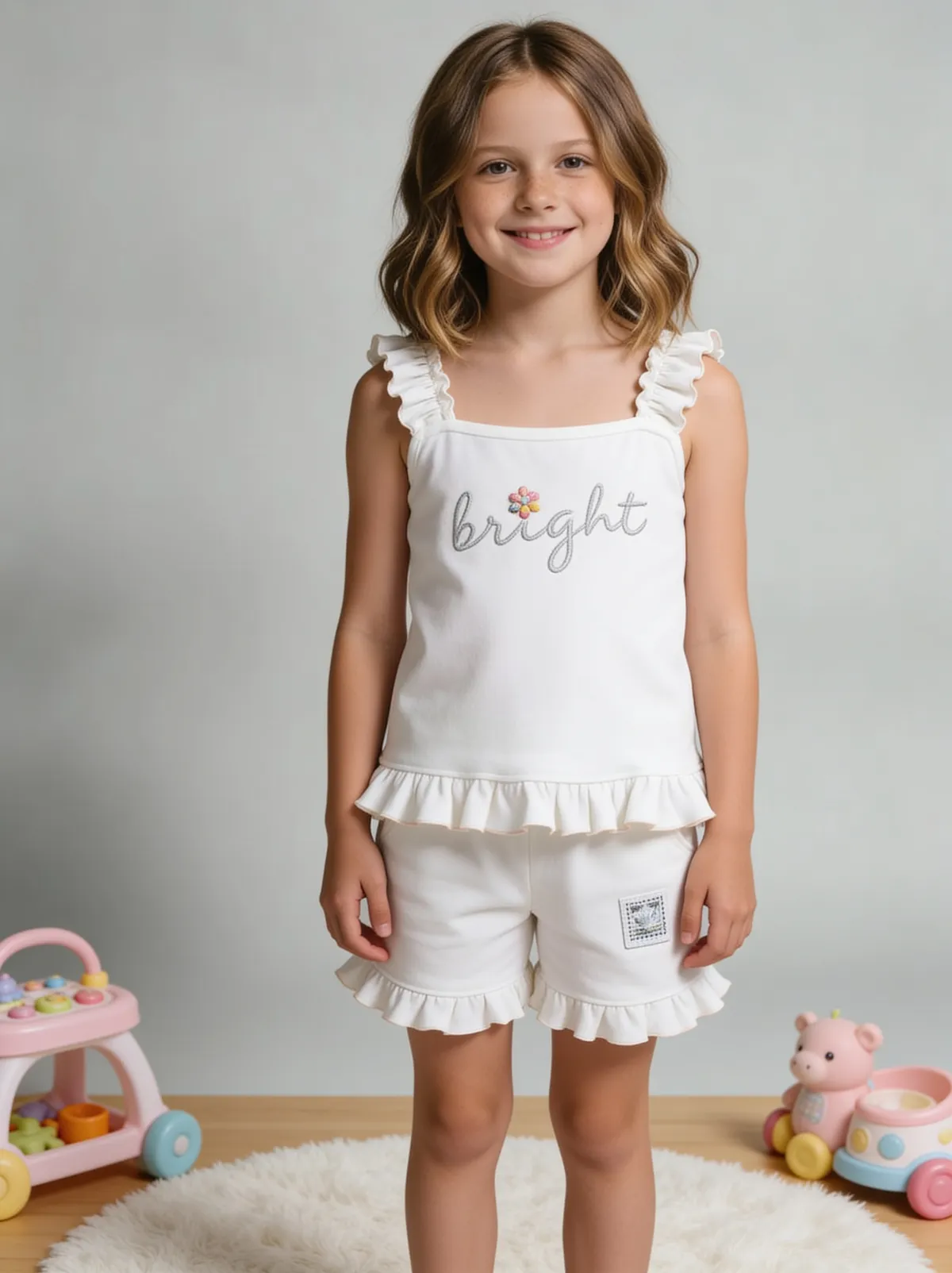
Real output from Fluxx.work
Generated from a single uploaded product photo — Fashion & apparel
See more examples in the Fluxx.work gallery
Why structured items need a different approach than flat apparel
A basic ghost-mannequin pass built for soft, flat-lying garments assumes the item collapses naturally without support — fine for a t-shirt or a light dress, wrong for a padded jacket that should hold its loft, a structured handbag whose sides shouldn't cave in, or a tailored blazer with shoulder structure that needs to read as built, not limp. These items were designed by a pattern-maker or bag-maker around internal stiffening, padding, or boning, and a flat rendering throws that design work away.
Padding and loft have to look inflated, not deflated
Down and synthetic-fill jackets carry visible baffle channels and a rounded, inflated cross-section when worn or displayed properly. Fluxx.work preserves that loft and the shadow variation between baffle channels instead of flattening the jacket into a limp 2D silhouette, which is the most common failure mode of generic mannequin-removal tools applied to outerwear.
Structured bags need their silhouette held from the inside
A structured tote or briefcase has a defined base and side panels that shouldn't sag inward once the mannequin or bag-form is removed. Fluxx.work keeps the bag's engineered shape — squared corners, flat base, panel tension — as if it were still filled, rather than letting the silhouette collapse toward a soft, empty-bag look.
Where this differs from standard ghost mannequin
Standard ghost-mannequin treatment (see our general ghost-mannequin page) is built around soft-goods draping — shirts, dresses, knitwear — where the main challenge is a believable collar or neckline interior. Invisible mannequin for structured items is a distinct problem: the whole garment or bag needs to look filled and dimensional throughout, not just at the neckline, which means correctly rendering loft, panel tension, and rigid-material behavior across the entire piece.
How the generation works
Upload a photo of the jacket, coat, or bag on a mannequin, form, or flat surface. Fluxx.work identifies the item's structural elements — baffles, panels, hardware, boning — and generates the invisible-mannequin result with volume and shape held throughout, not just at the opening or collar.
Benefits
Preserves loft and baffle-channel shadow on padded outerwear
Holds structured-bag panel tension and squared shape instead of letting it collapse
Distinct treatment from soft-goods ghost mannequin, built for rigid/dimensional items
Keeps hardware and structural seam detail intact throughout the piece
How It Works
1
Upload the jacket, coat, or bag on a mannequin, form, or flat surface.
2
Fluxx.work identifies structural elements — baffles, panels, hardware.
3
The invisible-mannequin result is generated with volume held throughout.
4
Review structural shape and hardware detail, then download.
Best Practices
- check_circlePhotograph structured items on a form that already holds their intended shape, not laid flat
- check_circleCheck baffle and panel shadow definition closely on padded outerwear before publishing
- check_circleKeep bag corners and base shape reviewed for squared structure, not a soft collapse
- check_circleTreat structured items as a distinct workflow from soft-goods apparel rather than reusing one preset
Common Mistakes
- cancelUsing a flat-apparel ghost-mannequin process on a padded jacket, flattening the loft
- cancelLetting a structured bag's sides cave inward once the form is removed
- cancelLosing baffle-channel shadow definition, making a puffer look smooth and un-lofted
- cancelIgnoring hardware and structural seams that define a tailored coat's actual silhouette
Trusted by 1,200+ businesses worldwide
“We used to book a studio every quarter. Now one product photo gives us the hero, lifestyle and detail shots in a single pass, and the catalogue finally looks like one brand instead of six separate shoots.”
Marcus T.
Founder, Home Goods Brand · Austin, TX
“The garment is genuinely the same in every frame — colour, print and trims all hold. That was the part I did not believe until we ran our own SKUs through it.”
Dana R.
Head of Ecommerce, Activewear · Brooklyn, NY
“Glass and reflections are where most tools fall apart. Ours come out clean, so we can photograph a new scent the week it launches instead of waiting on a studio slot.”
Layla A.
Founder, Fragrance Brand · Dubai, UAE
“Metal finish and stone detail survive a zoom now, which is what our listings actually needed. We stopped reshooting pieces that came back soft.”
Omar S.
Marketing Director, Jewellery · Abu Dhabi, UAE
“The textures and lighting are so realistic that customers tell us they can almost feel the product. We reshoot far less than we used to.”
Sneha P.
Founder, Coffee Brand · Coorg, India
“The AI-contextual backgrounds just work. It reads the product and picks the right aesthetic. We've stopped paying for stock photo subscriptions.”
Priya S.
Founder, Skincare Brand · Mumbai, India
Frequently Asked Questions
Will a puffer jacket keep its inflated, lofted look with no mannequin visible?
Yes — baffle channel loft and rounded cross-section are preserved rather than flattened, which is the main difference from generic mannequin-removal tools built for flat apparel.
Can this handle a structured bag's shape, not just jackets?
Yes, structured bags, totes, and briefcases are supported, with side-panel tension and base shape held as if the bag were still filled.
How is this different from the standard ghost mannequin effect on this site?
Standard ghost mannequin is tuned for soft, flat-lying apparel like shirts and dresses where the collar interior is the hard part. This is tuned for rigid, volume-holding items where the whole piece needs to read as dimensional, not just the neckline.
Does it preserve hardware detail on structured bags, like zippers and clasps?
Yes, hardware position, finish, and detail are preserved from the source photo rather than smoothed over during the shape-rendering process.
Why Fluxx.work
Fluxx.work treats structured, volume-holding items as their own category instead of forcing them through a flat-apparel process that throws away the shape a pattern-maker built in.