Packaging Photography Where the Label Actually Stays Readable
A box shot is really a typography problem wearing a product photo's clothes — if the label text warps, blurs, or drifts off-register when the angle changes, the whole image fails no matter how good the lighting looks. Fluxx.work generates packaging photography that keeps printed text, barcodes, and brand marks flat, sharp, and correctly proportioned across every angle.
Last updated:
Real output from Fluxx.work
Generated from a single uploaded product photo — Food & beverage packaging
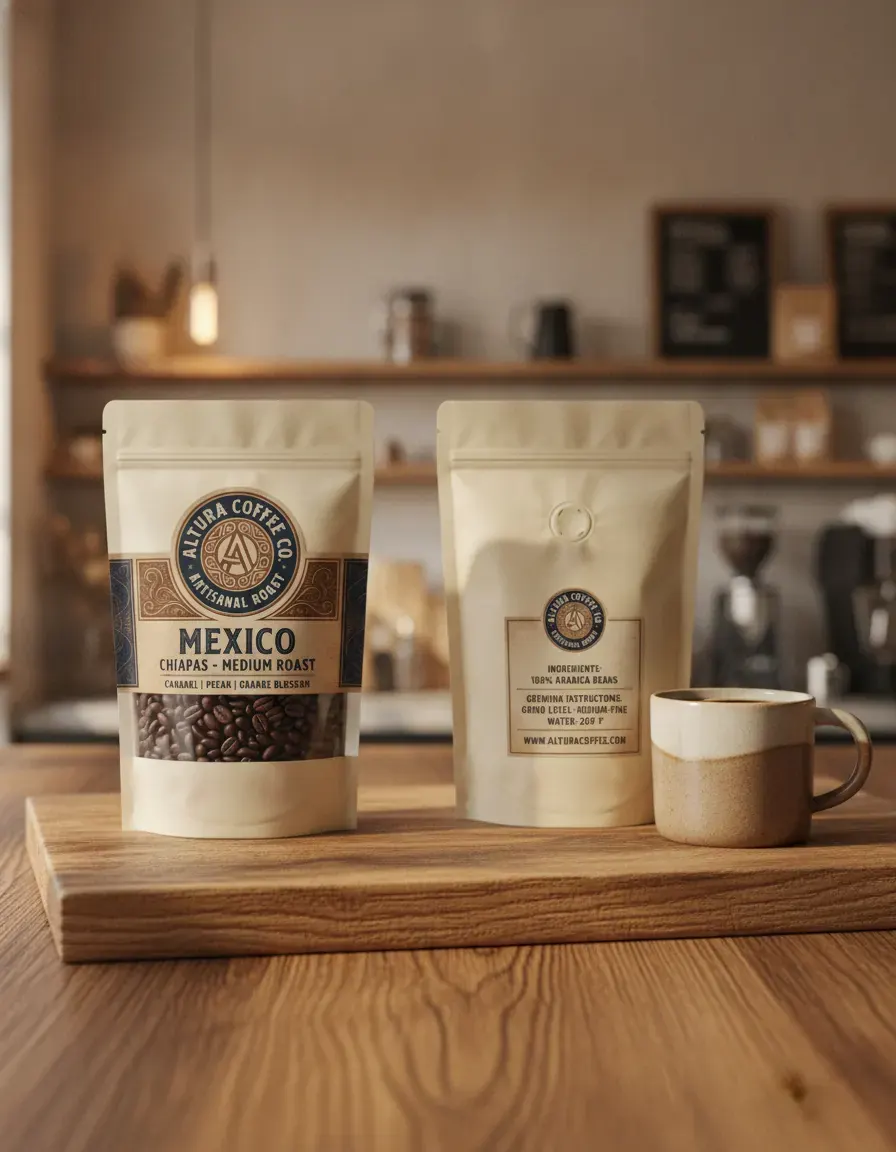
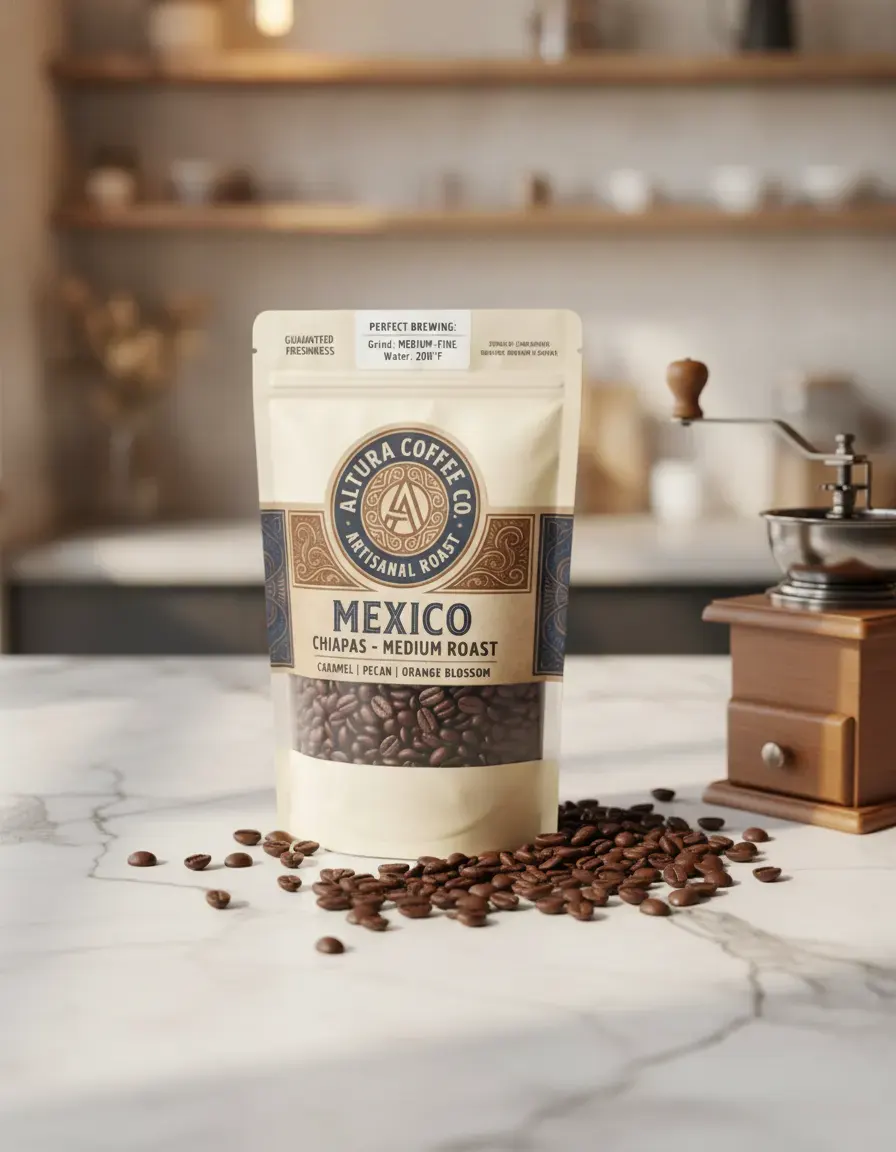
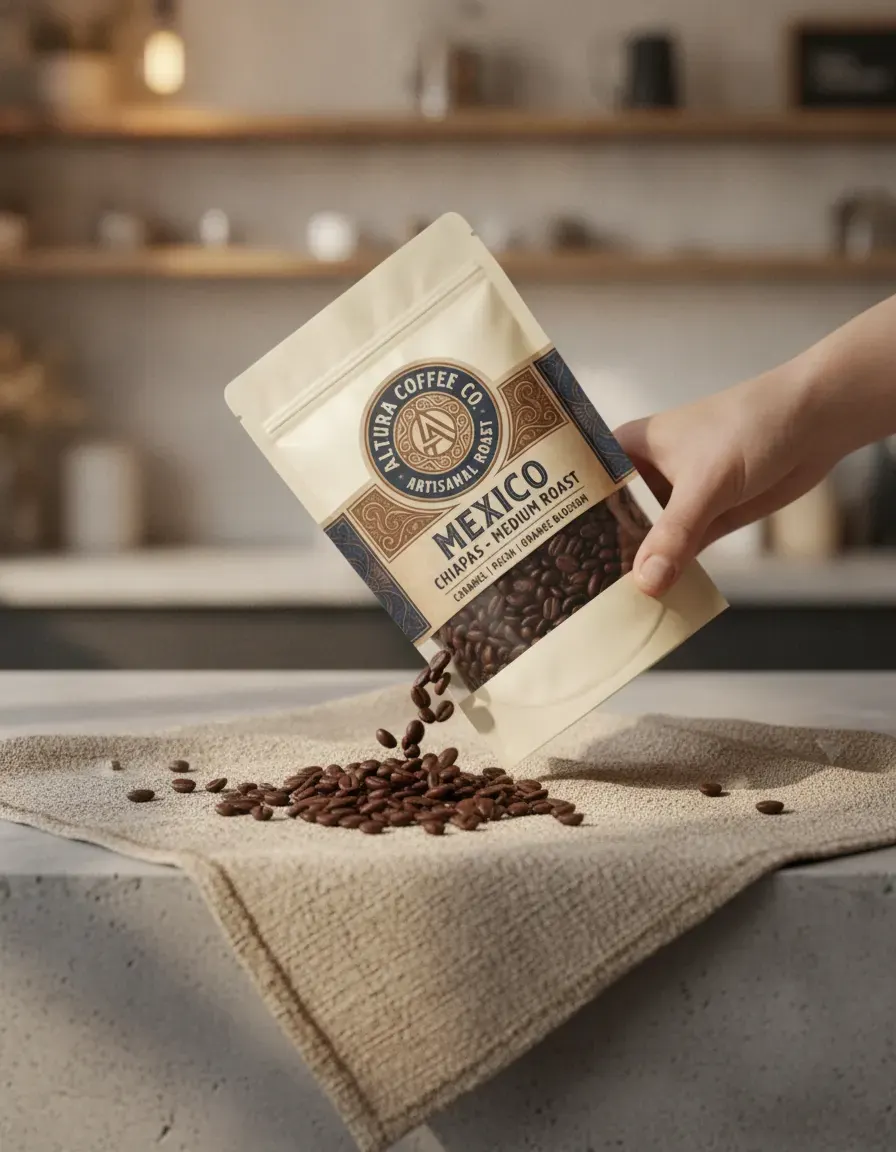
See more examples in the Fluxx.work gallery
Why packaging is harder than it looks
Most product photography tolerates minor AI softness in fine detail because the eye is forgiving of slightly imperfect fabric texture or a slightly-off reflection. Packaging offers no such tolerance — a label with warped kerning, a barcode that's gone slightly wavy, or ingredient text that's turned into illegible squiggles is immediately and obviously wrong, even to someone who isn't a designer. The box is essentially a rigid, flat canvas of typography wrapped around a 3D form, and any generation error shows up as broken text rather than a vague texture issue.
Perspective distortion on multi-panel boxes
A box shot at a three-quarter angle shows two or three panels simultaneously, each needing correct perspective foreshortening on its printed content without warping the text into illegible curves. Fluxx.work keeps label geometry locked to the actual panel surface as the angle changes, rather than letting text stretch independently of the box's edges.
Matte vs. gloss-laminate packaging
A matte kraft box and a gloss-laminated retail carton reflect studio light completely differently — the gloss version needs controlled specular highlights that don't wash out the label, while matte stock needs to avoid looking flat and lifeless. Getting this wrong either blows out the text under a highlight or makes premium packaging look like a plain mailer box.
What a packaging shot set typically needs
A straight-on hero shot showing the primary label face fully legible, a three-quarter angle shot showing box depth and a secondary panel, a top-down or lid-open shot for boxes with a reveal moment, and often a lifestyle shot showing the box being unboxed or placed in a shelf context for retail or subscription-box brands.
How the generation works
Upload a clear photo of the physical box or package. Fluxx.work locks all printed content — brand logo, ingredient text, barcode, regulatory marks — to the box's actual geometry, then generates hero, angle, and lifestyle shots while keeping every panel's text sharp and correctly proportioned.
Benefits
Label text and barcodes stay sharp and correctly proportioned at any angle
Surface finish (matte, gloss-laminate) rendered with accurate, appropriate highlights
Supports reveal-style shots like lid-open or top-down for subscription and gift packaging
Regulatory text and barcodes preserved as locked, accurate content
How It Works
1
Upload a clear photo of the physical box or package.
2
Fluxx.work locks label, logo, and barcode content to the box's geometry.
3
Generate hero, angle, and reveal shots with legible, undistorted text.
4
Download packaging-ready images for listings or retail.
Best Practices
- check_circlePhotograph the source box straight-on and well-lit so label geometry is captured cleanly
- check_circleMatch lighting intensity to the packaging's actual finish — softer for matte, controlled specular for gloss
- check_circleInclude a reveal shot whenever the packaging design has an interior or lid-open moment
- check_circleDouble-check barcode and regulatory text legibility in the final output before publishing to a marketplace
Common Mistakes
- cancelGenerating an angled box shot that warps label text into illegible curves
- cancelBlowing out gloss-laminated labels with overly harsh specular highlights
- cancelTreating matte and glossy packaging with the same lighting preset
- cancelSkipping a reveal/lid-open shot for packaging specifically designed around an unboxing moment
Trusted by 1,200+ businesses worldwide
“We used to book a studio every quarter. Now one product photo gives us the hero, lifestyle and detail shots in a single pass, and the catalogue finally looks like one brand instead of six separate shoots.”
Marcus T.
Founder, Home Goods Brand · Austin, TX
“The garment is genuinely the same in every frame — colour, print and trims all hold. That was the part I did not believe until we ran our own SKUs through it.”
Dana R.
Head of Ecommerce, Activewear · Brooklyn, NY
“Glass and reflections are where most tools fall apart. Ours come out clean, so we can photograph a new scent the week it launches instead of waiting on a studio slot.”
Layla A.
Founder, Fragrance Brand · Dubai, UAE
“Metal finish and stone detail survive a zoom now, which is what our listings actually needed. We stopped reshooting pieces that came back soft.”
Omar S.
Marketing Director, Jewellery · Abu Dhabi, UAE
“The textures and lighting are so realistic that customers tell us they can almost feel the product. We reshoot far less than we used to.”
Sneha P.
Founder, Coffee Brand · Coorg, India
“The AI-contextual backgrounds just work. It reads the product and picks the right aesthetic. We've stopped paying for stock photo subscriptions.”
Priya S.
Founder, Skincare Brand · Mumbai, India
Frequently Asked Questions
Will printed text and barcodes stay legible and undistorted at an angle?
Yes — label geometry is locked to the box's actual panel surfaces so text keeps correct perspective foreshortening instead of warping independently of the box edges.
Does this work for both matte and glossy laminated packaging?
Yes, surface finish is detected from the source photo and specular highlight behavior is adjusted so gloss stock doesn't wash out the label and matte stock doesn't look flat.
Can I get a lid-open or reveal shot, not just the closed box?
Yes, top-down and lid-open compositions are supported for packaging designed around an unboxing moment.
Will regulatory text and barcodes stay scannable/readable in the output?
Yes, regulatory marks, ingredient lists, and barcodes are preserved as locked content rather than regenerated, so they remain accurate and legible.
Why Fluxx.work
Fluxx.work treats printed packaging content as fixed, geometry-locked information rather than a texture to be approximated, so labels stay readable instead of turning into decorative squiggles.