Furniture Photography That Actually Communicates Scale
Furniture is one of the few categories where a perfect white-background hero shot can still fail a buyer completely, because the single hardest question in furniture shopping — will this actually fit and look right in my room — can't be answered by an isolated product shot. Fluxx.work generates both accurate studio hero shots and room-scale lifestyle context, while keeping wood grain, upholstery weave, and joinery detail faithful to the real piece.
Last updated:
Real output from Fluxx.work
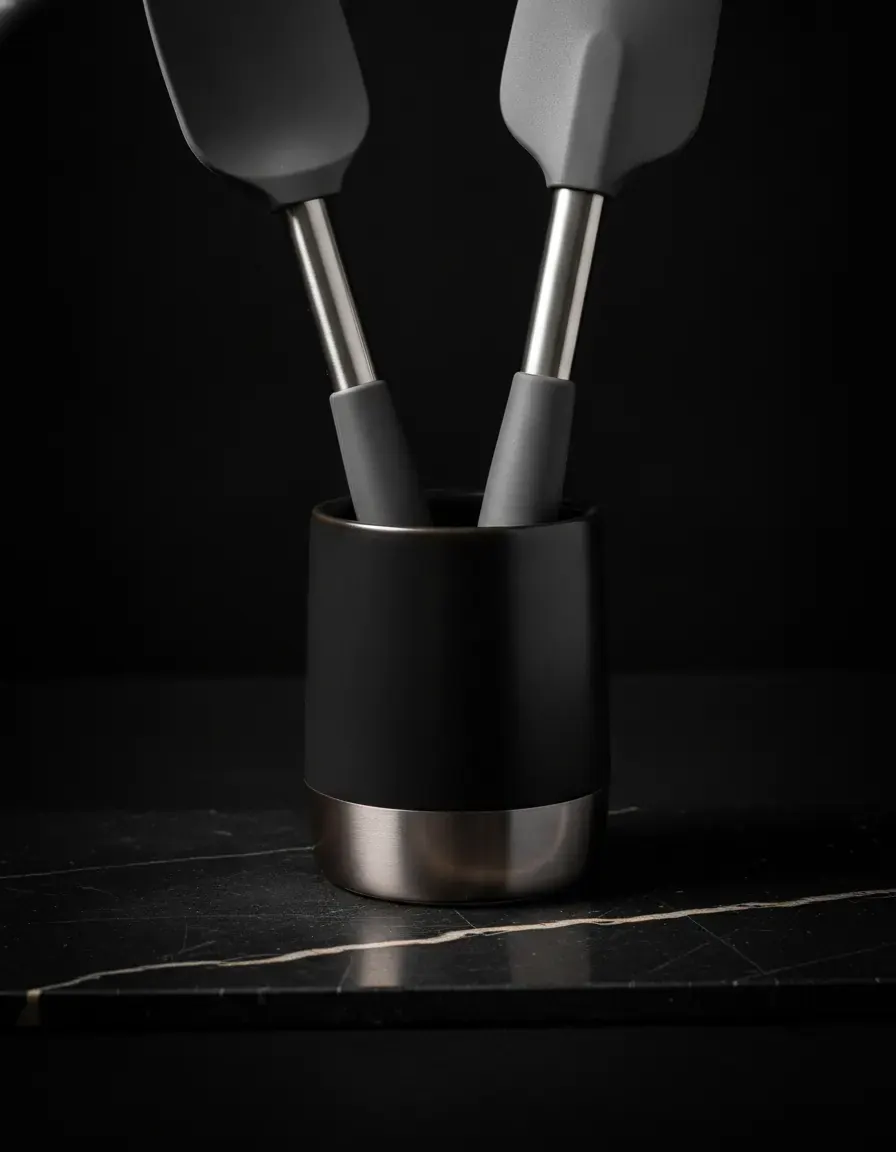
Generated from a single uploaded product photo — Home & kitchenware


See more examples in the Fluxx.work gallery
Why scale is the central problem in furniture photography
A sofa or console table photographed alone on white gives no reliable size cue — the same image could represent a compact apartment piece or an oversized sectional depending on crop and lens choice. Buyers consistently misjudge furniture dimensions from isolated shots, which drives returns specifically in this category more than almost any other, since furniture is expensive and difficult to ship back. Room-scale context, showing the piece against a doorway, alongside a person, or in a furnished room, solves this in a way that a spec-sheet dimension in centimeters doesn't for most shoppers.
Material texture carries the quality signal
In furniture specifically, materials do most of the persuading: real wood grain direction and figure, the depth and nap of a velvet or boucle upholstery, the visible weave of a woven-rattan piece. A flattened or overly smoothed render of these materials reads as cheap regardless of the piece's actual build quality, so preserving genuine texture from the source photo matters more here than in most categories.
Joinery and construction detail signal build quality
Visible dovetail joints, a solid-wood mitred corner, or exposed stitching on upholstery are the details buyers look for to judge whether a piece is well-made versus mass-produced. These are fine details that a careless render smooths away.
Studio hero vs. room-scale lifestyle for furniture
A clean studio hero (often on a neutral gray or white background) is standard for the primary marketplace listing image and for showing the piece's true material color without a room's ambient light cast. Room-scale lifestyle shots — the same piece placed in a styled living room, bedroom, or office — answer the fit-and-scale question and are typically what actually drives the purchase decision on secondary images.
How the generation works
Upload a clear studio or catalog photo of the piece. Fluxx.work preserves wood grain, upholstery texture, and joinery detail, then generates both a clean studio hero and room-scale lifestyle placements with an appropriate scale reference (doorway, adjacent furniture, or a person) so size reads accurately.
Benefits
Room-scale lifestyle context that answers the fit-and-size question
Genuine wood grain and upholstery texture preserved, not smoothed over
Joinery and construction detail kept sharp for perceived quality signaling
Both clean studio hero and styled room placements from one source photo
How It Works
1
Upload a clear studio or catalog photo of the furniture piece.
2
Fluxx.work preserves wood grain, upholstery texture, and joinery detail.
3
Generate a studio hero shot plus room-scale lifestyle placements.
4
Download images with accurate scale reference and material fidelity.
Best Practices
- check_circleAlways pair a studio hero shot with at least one room-scale scale-reference image
- check_circlePhotograph the source piece with clear, even light on the material surface to capture true grain and weave
- check_circleInclude a doorway, adjacent furniture, or human scale reference in lifestyle placements
- check_circleAdd a joinery or stitching close-up for higher-consideration or premium-positioned pieces
Common Mistakes
- cancelPublishing only an isolated studio shot with no scale reference for large pieces
- cancelOver-smoothing wood grain or upholstery texture, making the piece look cheaper than it is
- cancelChoosing a room-scale scene so styled it distracts from judging the piece's actual proportions
- cancelSkipping a construction-detail close-up on pieces where joinery quality is a selling point
Trusted by 1,200+ businesses worldwide
“We used to book a studio every quarter. Now one product photo gives us the hero, lifestyle and detail shots in a single pass, and the catalogue finally looks like one brand instead of six separate shoots.”
Marcus T.
Founder, Home Goods Brand · Austin, TX
“The garment is genuinely the same in every frame — colour, print and trims all hold. That was the part I did not believe until we ran our own SKUs through it.”
Dana R.
Head of Ecommerce, Activewear · Brooklyn, NY
“Glass and reflections are where most tools fall apart. Ours come out clean, so we can photograph a new scent the week it launches instead of waiting on a studio slot.”
Layla A.
Founder, Fragrance Brand · Dubai, UAE
“Metal finish and stone detail survive a zoom now, which is what our listings actually needed. We stopped reshooting pieces that came back soft.”
Omar S.
Marketing Director, Jewellery · Abu Dhabi, UAE
“The textures and lighting are so realistic that customers tell us they can almost feel the product. We reshoot far less than we used to.”
Sneha P.
Founder, Coffee Brand · Coorg, India
“The AI-contextual backgrounds just work. It reads the product and picks the right aesthetic. We've stopped paying for stock photo subscriptions.”
Priya S.
Founder, Skincare Brand · Mumbai, India
Frequently Asked Questions
Can it show the piece in a real room, not just on a plain background?
Yes, room-scale lifestyle placements are generated with scale references like a doorway or adjacent furniture, which is often more useful for furniture than an isolated studio shot alone.
Will wood grain and upholstery texture look accurate, not smoothed over?
Yes, genuine grain direction, figure, and upholstery weave/nap are preserved from the source photo since texture carries most of the perceived quality signal for furniture.
Does this help reduce size-related returns?
Scale-accurate room context is one of the more effective ways to set correct size expectations before purchase, which directly addresses one of furniture e-commerce's most common return drivers.
Can I show construction detail like joinery or stitching close up?
Yes, close-up detail shots preserving joinery and stitching are supported alongside the hero and lifestyle shots.
Why Fluxx.work
Fluxx.work solves the scale problem that isolated furniture shots can't, while keeping the material texture that actually signals build quality intact.