Food Photography That Still Looks Appetizing, Not Just Accurate
Food photography has a goal most other product categories don't share as directly: the image has to make someone hungry, not just document the product accurately. Fluxx.work generates food and beverage imagery with believable steam, condensation, and freshness cues, while keeping color rendering appetite-accurate rather than either flatly literal or artificially oversaturated.
Last updated:
Real output from Fluxx.work
Generated from a single uploaded product photo — Food & beverage packaging
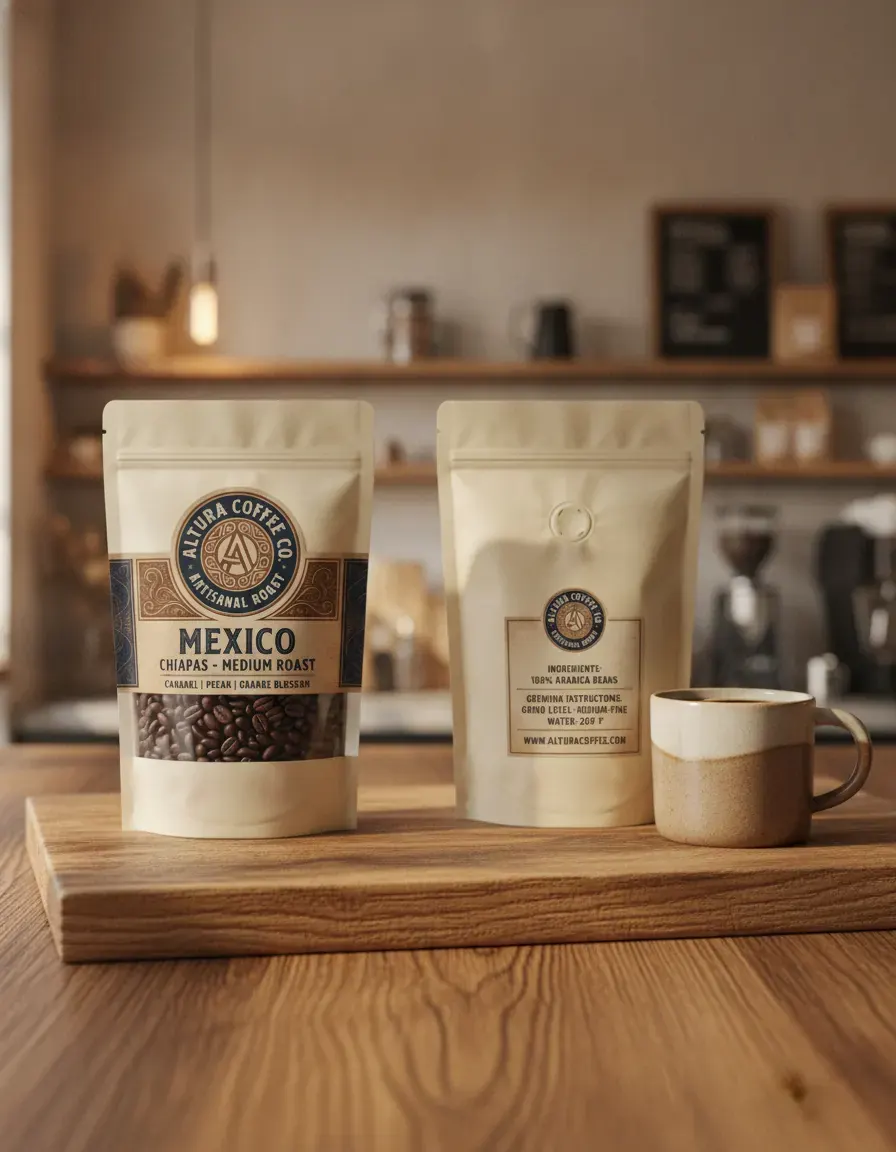
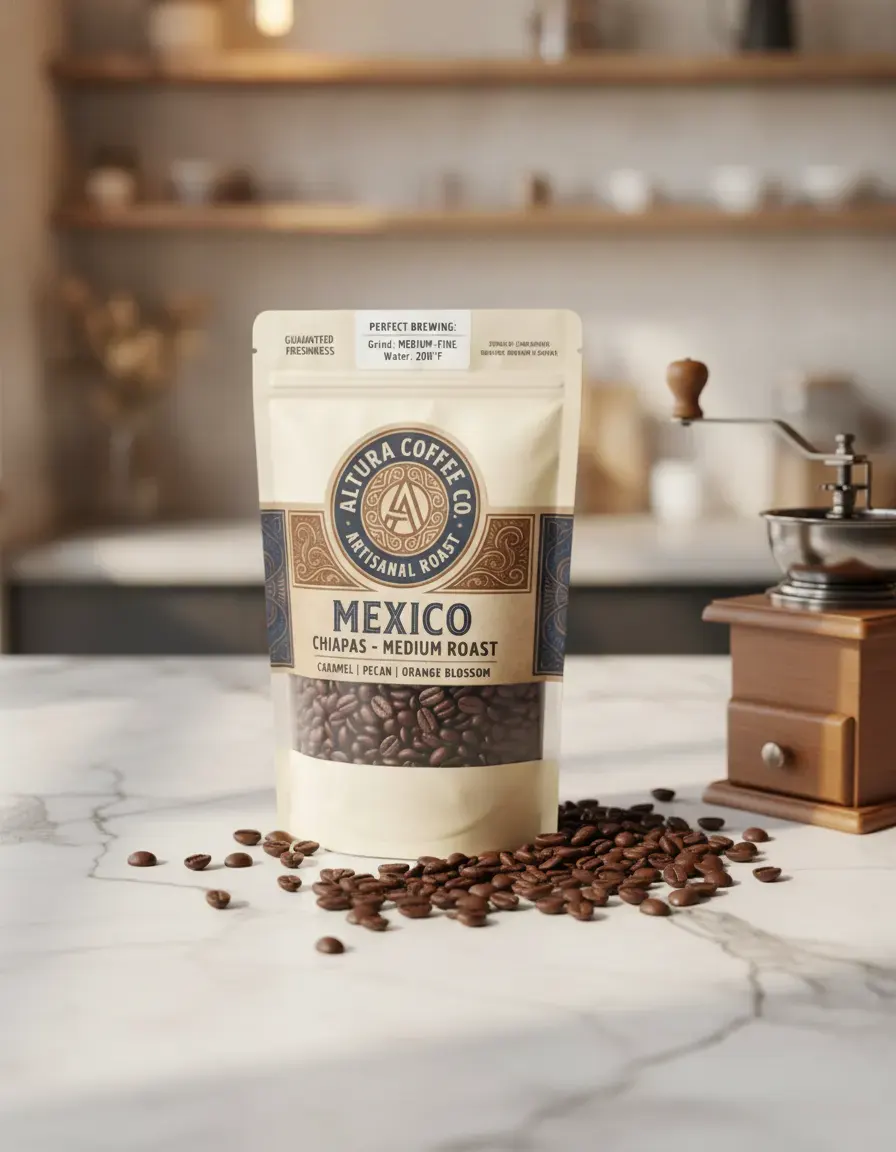
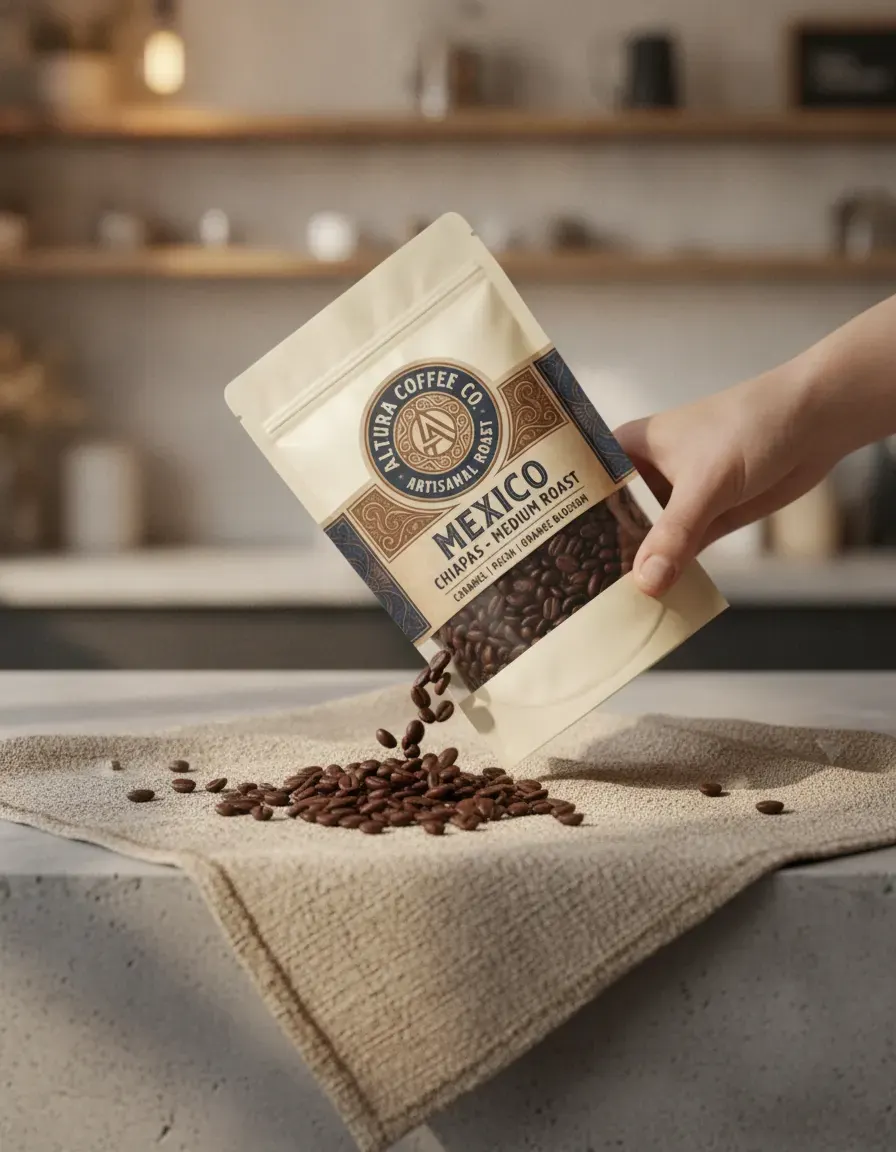
See more examples in the Fluxx.work gallery
Freshness cues are half the persuasion in food photography
A glistening char mark on grilled meat, visible steam rising off a hot dish, condensation beading on a cold beverage bottle, a fresh-cut fruit's slightly glossy flesh — these are the specific visual signals that separate 'looks fresh and appetizing' from 'looks like a static object.' Missing these cues is the most common reason an otherwise well-composed food photo falls flat, because literal accuracy without these dynamic cues reads as sterile rather than appealing.
Steam and condensation need correct physical behavior
Steam should rise and dissipate from a specific heat source (not float uniformly across a whole plate), and condensation should collect more heavily near a beverage's base or in contact with a cold liquid line — physically arbitrary steam or condensation placement is a fast tell that an image was generated rather than shot.
Color accuracy vs. appetite appeal is a real tension
Genuinely accurate food color under harsh studio light can look duller than what makes a dish appealing, while oversaturating browns and reds crosses into looking artificial or even unappetizing in the other direction (an oversaturated red can read as unnaturally dyed). The target is color that's true to the actual dish but rendered under lighting that flatters it, the same judgment call a food stylist and photographer make together on set.
Where this applies across food and beverage
Restaurant and packaged-food delivery-app listings where the photo directly drives order decisions; D2C food and beverage brands needing consistent hero and lifestyle imagery across a product line; recipe and menu content where visual appeal is the entire point of the image.
How the generation works
Upload a clear reference photo of the dish or beverage. Fluxx.work adds physically plausible freshness cues — steam, condensation, glossy sheen where appropriate — and renders color to stay true to the actual food while remaining genuinely appetite-appealing under the chosen lighting style.
Benefits
Physically plausible steam and condensation instead of generic overlays
Color rendered true to the actual dish while staying appetite-appealing
Works across both plated restaurant dishes and packaged D2C products
Freshness cues (sheen, char, glisten) added where genuinely appropriate
How It Works
1
Upload a clear reference photo of the dish or beverage.
2
Fluxx.work adds physically plausible freshness cues where appropriate.
3
Color is rendered true to the dish while staying appetite-appealing.
4
Download listing- or menu-ready food photography.
Best Practices
- check_circlePhotograph the source dish or beverage with clear detail on texture (char, glisten, condensation) already visible if possible
- check_circleMatch lighting mood to the dish type — bright and clean for fresh food, warmer and richer for comfort food
- check_circleKeep steam and condensation placement tied to the dish's actual heat or cold source
- check_circleReview color accuracy against the real dish before publishing, especially for delivery-app listings
Common Mistakes
- cancelAdding steam or condensation in physically arbitrary positions that don't match a real heat or cold source
- cancelOversaturating colors to the point food looks artificially dyed
- cancelRendering food too literally/flatly, missing the freshness cues that drive appetite appeal
- cancelUsing the same lighting mood across dishes that call for different tones (bright fresh salad vs. rich braised dish)
Trusted by 1,200+ businesses worldwide
“We used to book a studio every quarter. Now one product photo gives us the hero, lifestyle and detail shots in a single pass, and the catalogue finally looks like one brand instead of six separate shoots.”
Marcus T.
Founder, Home Goods Brand · Austin, TX
“The garment is genuinely the same in every frame — colour, print and trims all hold. That was the part I did not believe until we ran our own SKUs through it.”
Dana R.
Head of Ecommerce, Activewear · Brooklyn, NY
“Glass and reflections are where most tools fall apart. Ours come out clean, so we can photograph a new scent the week it launches instead of waiting on a studio slot.”
Layla A.
Founder, Fragrance Brand · Dubai, UAE
“Metal finish and stone detail survive a zoom now, which is what our listings actually needed. We stopped reshooting pieces that came back soft.”
Omar S.
Marketing Director, Jewellery · Abu Dhabi, UAE
“The textures and lighting are so realistic that customers tell us they can almost feel the product. We reshoot far less than we used to.”
Sneha P.
Founder, Coffee Brand · Coorg, India
“The AI-contextual backgrounds just work. It reads the product and picks the right aesthetic. We've stopped paying for stock photo subscriptions.”
Priya S.
Founder, Skincare Brand · Mumbai, India
Frequently Asked Questions
Can it add steam to a hot dish that wasn't steaming in the original photo?
Yes, physically plausible steam can be added, rising from the appropriate heat source in the dish rather than floating uniformly across the frame.
Will condensation on a cold beverage look realistic, not just a generic overlay?
Yes, condensation is rendered to collect where it physically would — near the base or along the cold liquid line — rather than as a uniform droplet texture applied everywhere.
Will the color be accurate to the real dish, or oversaturated?
The goal is color that's true to the actual food but lit to be appetite-appealing, avoiding both a dull literal rendering and an artificial oversaturated look.
Does this work for both restaurant dishes and packaged D2C food products?
Yes, both plated restaurant-style dishes and packaged food or beverage products are supported, with freshness cues suited to each.
Why Fluxx.work
Fluxx.work adds the freshness cues that make food photography persuasive while keeping color honest to the actual dish, instead of trading accuracy for an artificial oversaturated look.