Beauty Photography Where the Shade Is Actually the Shade
Cosmetics live or die on color accuracy in a way few other categories do — a foundation shade or lipstick red that photographs even slightly off triggers direct return-and-refund behavior, because shoppers are buying that exact color. Fluxx.work generates beauty photography that holds true shade color, renders glass and plastic packaging reflections accurately, and keeps cap and applicator detail sharp.
Last updated:
Real output from Fluxx.work
Generated from a single uploaded product photo — Beauty & cosmetics
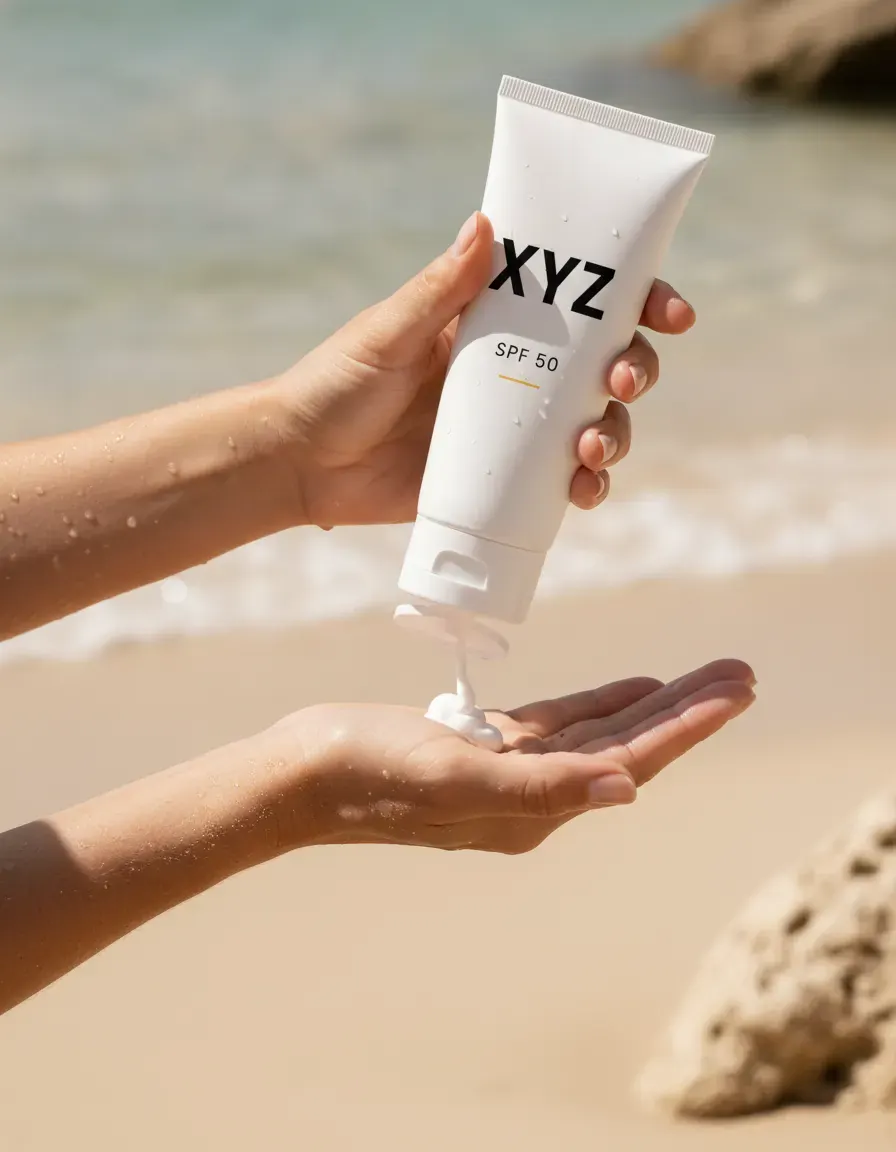
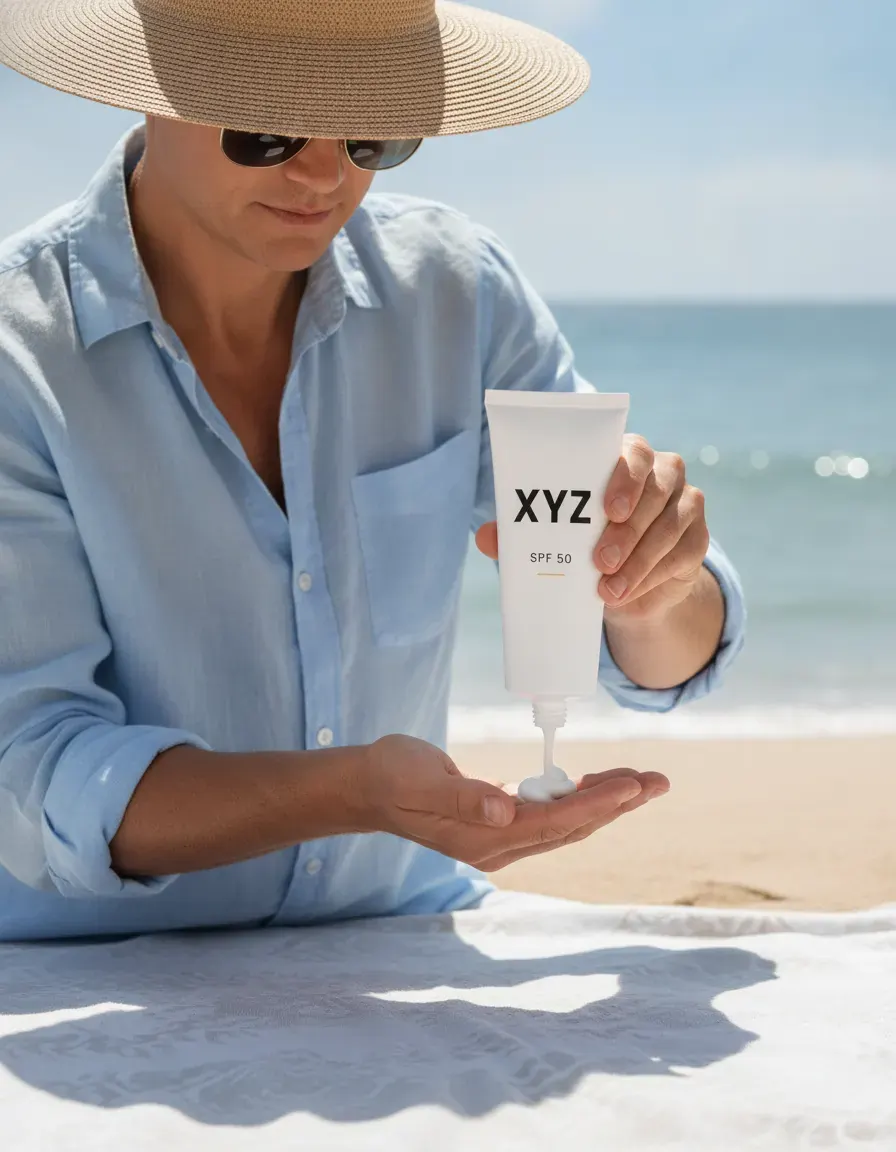
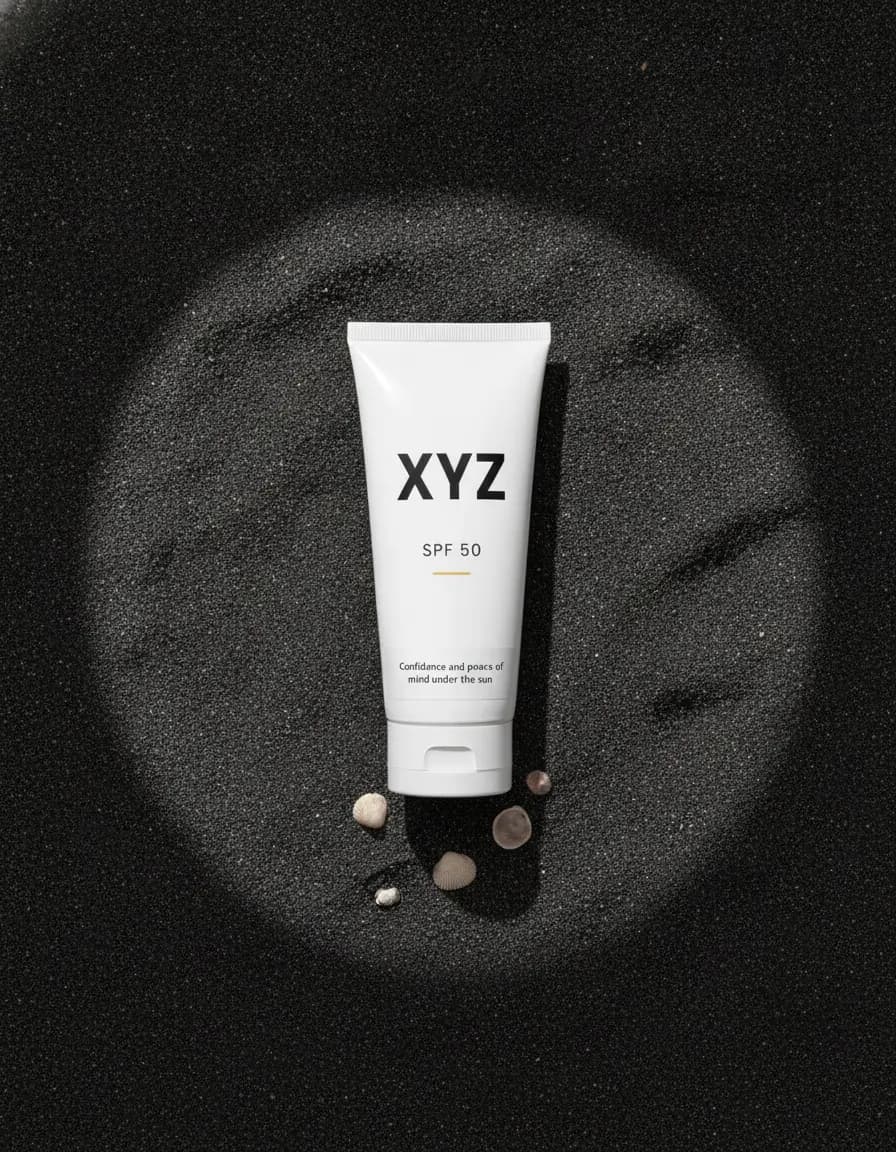
See more examples in the Fluxx.work gallery
Why shade accuracy is the whole business here
Unlike apparel where a slightly-off color reads as a minor styling variance, a foundation shade or lip color that photographs warmer or cooler than the physical product creates a direct mismatch between what a customer ordered and what they received — even though the product itself is correct. This is one of the highest-stakes color-accuracy problems in e-commerce photography, and it's exactly what an identity-lock approach is built to prevent, since the generation has to hold the exact pigment value rather than an AI's approximation of 'a red lipstick.'
Glass and acrylic packaging behave differently under light
A glass serum bottle refracts and shows a visible meniscus at the liquid line; a frosted acrylic compact diffuses light softly with no hard specular point; a clear plastic mascara tube shows the wand faintly through the barrel. Fluxx.work distinguishes these material behaviors instead of applying one generic 'shiny bottle' treatment across every packaging type.
Swatch and texture shots matter as much as the packaging shot
Beauty buyers frequently look for a swatch or texture close-up — a smear of foundation, a swipe of lipstick — as a truer color reference than the packaging photo alone, because packaging can include tinted glass or colored caps that don't represent the product color itself.
What a cosmetics shot set typically needs
A clean packaging hero shot with accurate cap, applicator, and label detail; a texture or swatch shot showing the actual product color and finish (matte, dewy, shimmer); an open-cap or applicator-extended shot showing how the product is dispensed; and often a lifestyle or flat-lay shot styled with complementary beauty products.
How the generation works
Upload a clear photo of the product and, ideally, a swatch or texture reference. Fluxx.work locks the exact shade value across packaging and swatch shots, renders glass/plastic/acrylic reflections appropriate to the specific packaging material, and generates the full set needed for a beauty listing.
Benefits
Shade color locked exactly to the physical product across every shot
Material-appropriate reflection rendering for glass, acrylic, and plastic packaging
Swatch and texture shots generated alongside packaging hero shots
Open-cap and applicator-extended shots showing real product dispensing
How It Works
1
Upload the product photo and a swatch or texture reference if available.
2
Fluxx.work locks the exact shade value across all generated shots.
3
Generate packaging, swatch, and applicator shots with material-accurate reflections.
4
Review shade accuracy, then download the listing set.
Best Practices
- check_circleAlways include a true-color swatch or texture reference alongside the packaging photo
- check_circleVerify shade accuracy specifically for lipstick, foundation, and other color-critical categories before publishing
- check_circleMatch reflection style to actual packaging material rather than a one-size-fits-all glossy look
- check_circleInclude an open-cap or applicator shot for products where dispensing method affects purchase decisions
Common Mistakes
- cancelLetting AI-generated color drift slightly warmer or cooler than the true shade
- cancelApplying one generic reflective treatment across glass, frosted, and matte packaging
- cancelSkipping a swatch/texture shot and relying on packaging color alone
- cancelIgnoring tinted glass or colored caps that misrepresent the actual product shade
Trusted by 1,200+ businesses worldwide
“We used to book a studio every quarter. Now one product photo gives us the hero, lifestyle and detail shots in a single pass, and the catalogue finally looks like one brand instead of six separate shoots.”
Marcus T.
Founder, Home Goods Brand · Austin, TX
“The garment is genuinely the same in every frame — colour, print and trims all hold. That was the part I did not believe until we ran our own SKUs through it.”
Dana R.
Head of Ecommerce, Activewear · Brooklyn, NY
“Glass and reflections are where most tools fall apart. Ours come out clean, so we can photograph a new scent the week it launches instead of waiting on a studio slot.”
Layla A.
Founder, Fragrance Brand · Dubai, UAE
“Metal finish and stone detail survive a zoom now, which is what our listings actually needed. We stopped reshooting pieces that came back soft.”
Omar S.
Marketing Director, Jewellery · Abu Dhabi, UAE
“The textures and lighting are so realistic that customers tell us they can almost feel the product. We reshoot far less than we used to.”
Sneha P.
Founder, Coffee Brand · Coorg, India
“The AI-contextual backgrounds just work. It reads the product and picks the right aesthetic. We've stopped paying for stock photo subscriptions.”
Priya S.
Founder, Skincare Brand · Mumbai, India
Frequently Asked Questions
Will the lipstick or foundation shade stay exactly true to the physical product?
Yes — shade color is locked from your source photo rather than regenerated as an approximation, which is critical for beauty products where customers order by exact shade.
Can I get a texture or swatch shot, not just the packaging?
Yes, swatch and texture close-ups are supported and are often the more trustworthy color reference for beauty buyers compared to packaging alone.
Does it handle different packaging materials like glass, frosted acrylic, and clear plastic differently?
Yes, reflection and light behavior are rendered per material rather than one generic glossy treatment applied to every packaging type.
Can I show the cap open or the applicator extended?
Yes, open-cap and applicator-extended compositions are supported to show how the product is actually dispensed and used.
Why Fluxx.work
Fluxx.work locks shade color as a hard constraint rather than an approximation, because in beauty a slightly-off color isn't a stylistic variance — it's the wrong product.